A traditional firewall , which merely allows or blocks traffic based on ports and IP addresses, has long since ceased to be sufficient for protecting a corporate network . Modern threats require a tool that understands what traffic is actually flowing through the network, not just where it's coming from and where it's going. A next-generation firewall addresses this need.
What is the difference between a next-generation firewall and a traditional one?
A traditional firewall analyzes network traffic based on basic parameters—source and destination addresses, and port numbers. A next-generation firewall goes further, analyzing the actual content and context of traffic, recognizing specific applications, users, and potentially dangerous behavior patterns, regardless of the port or protocol they use.
Deep Packet Inspection
One of the key features of a next-generation firewall is deep packet inspection, which analyzes the actual content of transmitted data, not just the headers that specify where it's coming from and where it's going. This allows the firewall to detect malware hidden within seemingly harmless traffic that a traditional firewall would let pass without any action.
Application recognition regardless of port
Modern applications can communicate over various ports, including those typically used by other trusted services, making them difficult to identify using traditional methods. A next-generation firewall recognizes a specific application based on traffic analysis, regardless of the port it communicates over, allowing for more precise blocking of unwanted applications without affecting permitted ones.
Integration with threat detection systems
Next-generation firewalls often integrate with real-time threat intelligence systems, using up-to-date databases of known malicious addresses, domains, and attack patterns. This allows the firewall to automatically block traffic associated with known threats without requiring the administrator to manually update rules.
User identity-based access control
Instead of basing rules solely on IP addresses, a next-generation firewall can associate network traffic with a specific user or group within the organization. This allows for more precise access management—for example, limiting access to specific resources to only the department that actually needs them, regardless of the device connecting.
Distributed network protection and remote work
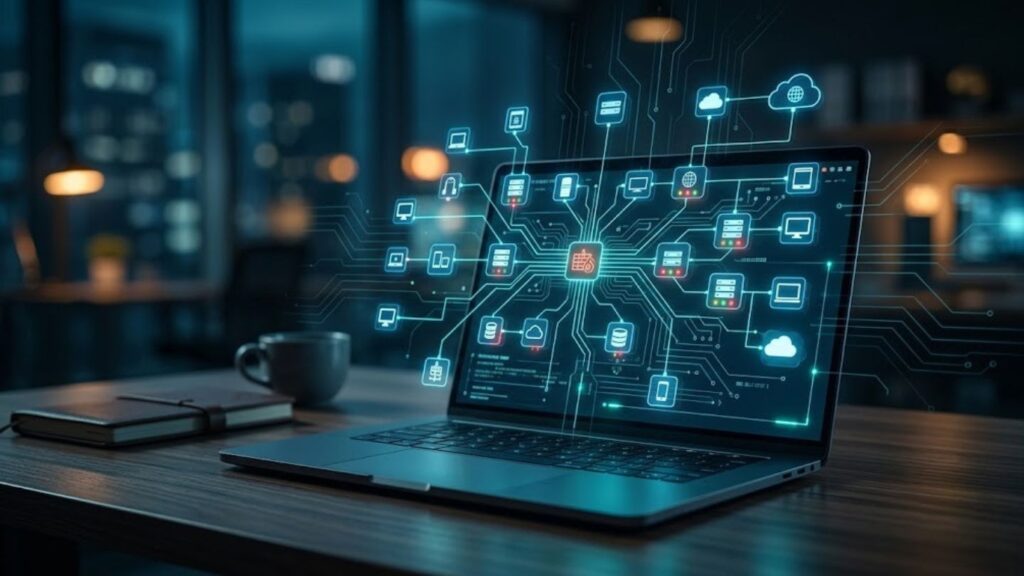
For companies with multiple branch offices or remote employees, a next-generation firewall allows for a consistent security policy to extend beyond the physical boundaries of the office. Traffic from every location and every remote connection is subject to the same analysis and protection rules, reducing the risk of a less secure branch becoming a gateway for an attack on the entire organization.
Summary
A next-generation firewall protects the corporate network with much greater precision than traditional solutions, analyzing the actual content of traffic, recognizing applications, and integrating with up-to-date threat databases. This means protection tailored to modern attack methods, not just basic traffic filtering based on ports and addresses.